How to Create and Sell an Online Course: Beginner’s Guide
How to Create and Sell an Online Course: A Beginner’s Guide You do not need a large studio or a 40-hour curriculum to teach something useful online. You need a clear learner, a practical outcome, and...

Lets Talk
Instructor • Sep 23, 2026 • 4 min read
How to Create and Sell an Online Course: A Beginner’s Guide
You do not need a large studio or a 40-hour curriculum to teach something useful online. You need a clear learner, a practical outcome, and a course that helps someone reach it. Start with a small version you can validate, then improve it using feedback from real learners.
1. Define one learner and one result
“Learn marketing” is too broad to guide a first course. “Create a simple email welcome sequence for a small business” gives you a clearer audience and a finish line.
Write down who the learner is, what they already know, what they will be able to do, and what evidence will show they succeeded. Before recording, speak with prospective learners or review the questions people ask in your professional community. Look for repeated problems.
2. Design backward from the outcome
List the steps a learner must complete to reach the result. Group them into sections, then build lessons around individual tasks. For a beginner course on spreadsheet reporting, that might mean importing data, cleaning it, building a summary, and presenting a chart.
Give learners opportunities to practice. A template, exercise, or example file can make a lesson more useful than another hour of explanation. Include a simple way to check progress, such as a quiz or project milestone.
3. Record a clear first version
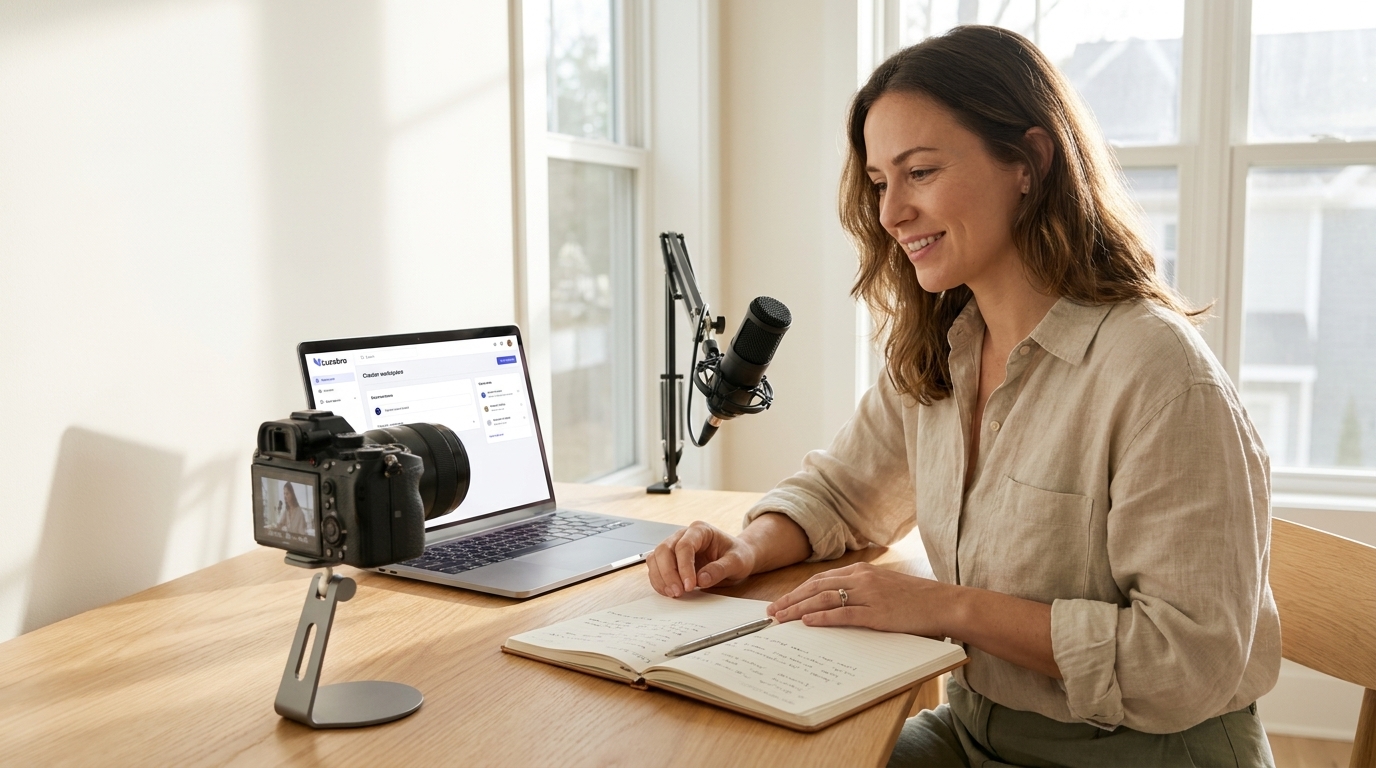
Good audio and readable demonstrations matter more than expensive equipment. Use a quiet room, test your microphone, and make sure text on screen remains legible on a phone. Record one sample lesson and ask someone unfamiliar with the topic to follow it before producing the entire course.
Choose the format that best shows the task: a webcam demonstration, a screen recording, or structured slides. Name each lesson so learners can easily return to a specific step.
4. Choose a platform for your complete offer
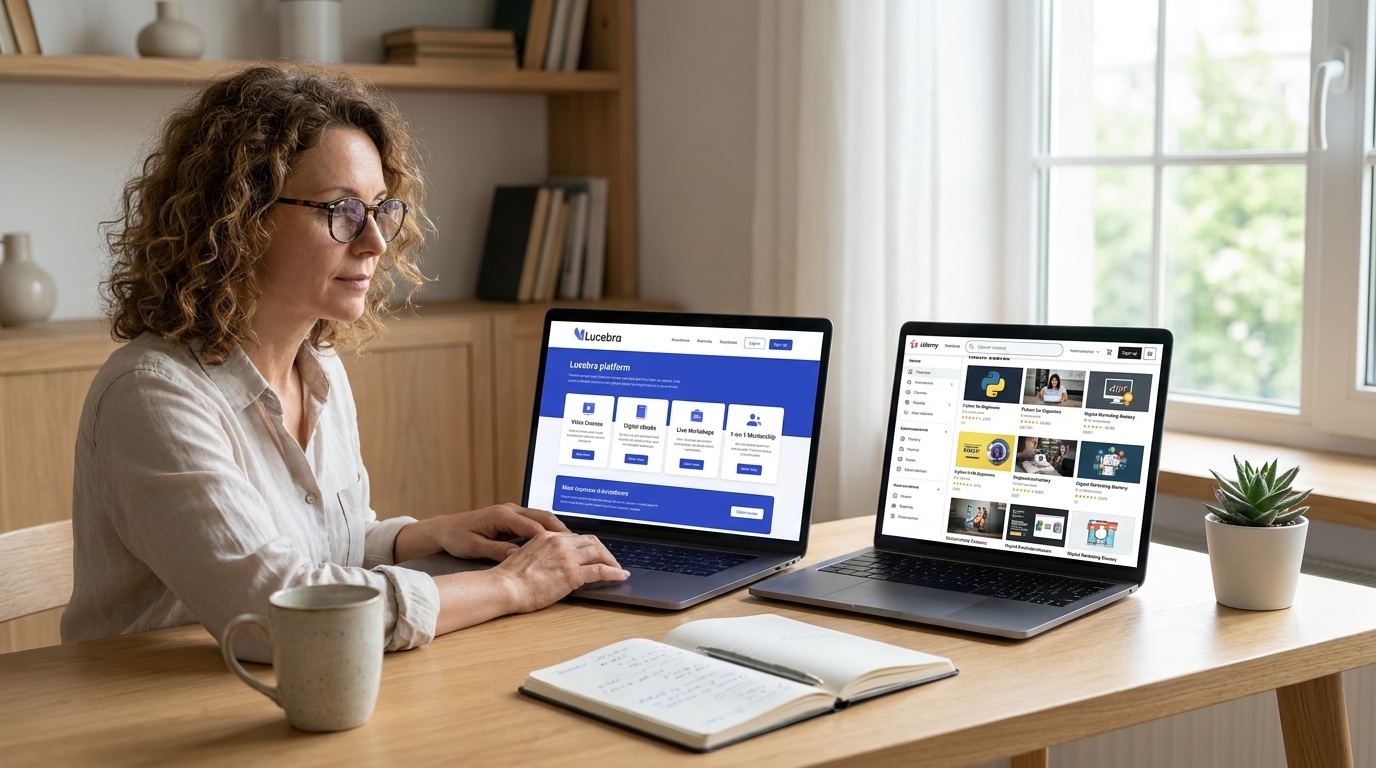
Ask practical questions when comparing platforms. Can you structure lessons and add supporting files? How do checkout, refunds, and instructor payouts work? Can learners preview the course? Do you expect to offer e-books, live sessions, or mentorship later?
Lucebra’s instructor tools support video lessons, quizzes, and downloadable resources, with additional ways to offer e-books and live learning. Compare its current features and terms with other platforms against the format you actually plan to sell.
5. Set a price you can explain
There is no universal price for a beginner course. Consider the depth of the material, the specificity of the result, comparable offers, and whether you provide personal support.
Ask prospective learners what they expect at your proposed price. You can test a launch price to gather early feedback, but describe discounts honestly and make the standard price credible.
Work through the numbers before publishing. Estimate what you receive per sale after the applicable platform share and other deductions. Then decide how many enrollments would justify the time required to produce and maintain the course.
6. Launch with a useful preview
Show people how you teach. Share a short lesson, checklist, or example that solves a small part of the larger problem. Send it to relevant contacts who have opted to hear from you, and answer genuine questions in communities where your expertise is helpful. Follow each community’s promotion rules.
Ask your first learners where they got stuck and which lesson helped most. Revise unclear steps, add examples, and improve your course page using their real questions. Your first launch is the beginning of the product, not the final version.
Ready to publish? Explore Lucebra’s instructor tools: https://www.lucebra.com/become-instructor
Frequently asked questions
How long should my first online course be?
Long enough to deliver the promised outcome. A short, focused course with useful exercises can serve learners better than a longer course filled with repetition.
How much can a beginner earn from an online course?
There is no reliable standard figure. Earnings depend on demand, price, conversions, the source of each sale, refunds, platform terms, and ongoing promotion.
Do I need a formal teaching credential?
Requirements depend on the subject and any rules that apply to it. For many practical skills, demonstrable expertise and clear instruction are valuable. Do not claim credentials you do not hold.
What is the best platform for selling a first course?
The best fit supports your teaching format, audience, budget, and preferred way to reach learners. Compare the publishing experience, fees, payout rules, and support before deciding.
Share: